Does Face Tape for Wrinkles Work? Tape and Massage Compared
See when face tape for wrinkles can soften a morning crease, what facial massage can do for puffiness, and when skincare or Botox may make more sense for you.
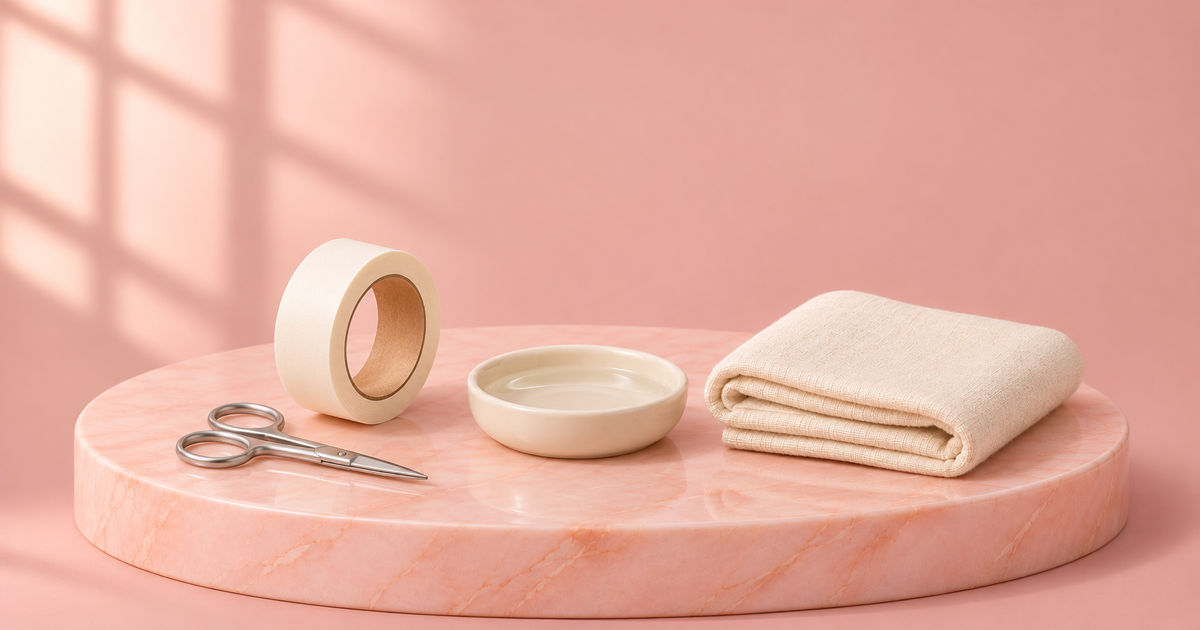
You wake up with a crease across one cheek, right where it pressed into the pillow. Face tape for wrinkles may leave that kind of crease looking smoother in the morning by holding the skin flat while you sleep. Any smoothing can fade through the day, and there's little good evidence that taping prevents wrinkles or does much for lines from expression or volume loss.
Does face tape for wrinkles work?
Face tape can hold a patch of skin flat while it’s on. If you sleep on your side or stomach, a pillow can bunch the skin on your cheek, beside your nose or across your upper chest. Research in Aesthetic Surgery Journal documented how side and stomach positions can distort facial skin, though that work didn’t test tape as a treatment. A patch that stays flat may make a fresh crease less noticeable when you take it off.
The direct evidence is small. In a study of adhesive pads for crow’s feet, researchers measured brief changes in surface roughness without a significant change in the skin’s measured mechanical properties. A separate study of nightly forehead and frown-line patches found minimal improvement when independent evaluators graded the lines. A common tip is to start taping before lines set in. Neither study shows that starting early prevents new wrinkles or that tape reverses established ones.
Part of the morning effect may come from moisture held under the patch. Research on covered skin shows that holding in moisture can temporarily increase hydration, though the wrinkle studies didn’t establish how much of the smoothing comes from hydration. A pack of patches costs relatively little to try. If the lines are gone when you peel off the patch and back by lunch, use the lunchtime result to decide whether the nightly routine is worth repeating.
Which wrinkles can tape help, and which can’t it?
Look at the same spot after waking and later in the day, first with your face relaxed and then as you raise your brows, frown or smile. A crease that appears where the pillow pressed and fades as you get ready is more likely to have a sleep component. A line that deepens as you move points to expression. Some lines have more than one cause.
| Line type | Tape | Massage | What else |
|---|---|---|---|
| Morning crease on the cheek or near the nose | May make the crease look shallower briefly | May ease nearby puffiness | See if less pillow pressure helps, if the position is comfortable |
| Forehead wrinkles or 11 lines between the brows | May smooth the surface briefly | Little evidence of a meaningful change in expression lines | Ask about Botox if muscle movement deepens the line |
| Fine lines still visible with your face at rest | Limited evidence of sustained improvement | Little evidence for lasting wrinkle reduction | Discuss tretinoin or laser resurfacing if sun damage contributes |
| Deep nasolabial folds or jowls | Holds skin only while the tape is on | Any change from reduced puffiness is temporary | Have the fold or jawline assessed before choosing treatment |
Say you sleep on your right side and see a diagonal mark beside your nose when you wake. It fades by breakfast, though the fold from your nose toward your mouth still deepens when you smile. Pressure can account for the first mark. The fold itself can reflect how your cheek moves, how much volume you have there, and how the tissues sit as skin loses collagen and gravity acts on them. Our guide to jowls and sagging along the lower face shows how to tell a fold, a hollow and a jowl apart.
How do you use face tape?
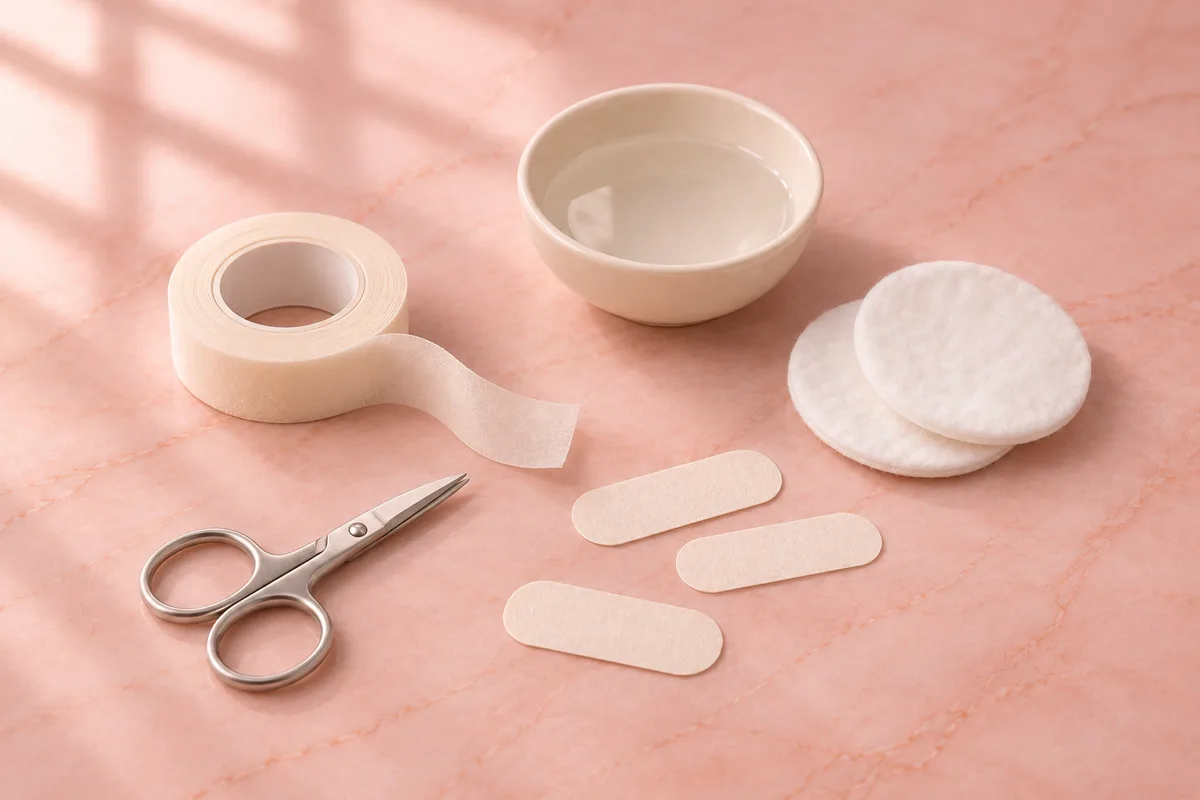
Start with a small area of intact skin and follow the product’s wear and removal directions. Frownies makes a water-activated paper patch for the forehead that stiffens as it dries.
- Wash gently and pat the spot dry. Apply moisturizer earlier and give it time to absorb. A slick serum or heavy cream can make a patch slide. If the spot still feels oily at bedtime, gently wipe it clean and dry it, or apply skincare around it.
- Pick a patch that lies flat. A firmer facial patch can span a broad area like the forehead, where a flexible silicone strip may buckle. If the directions allow trimming, round corners that are likely to catch on the pillow. Stacking a second kind of tape to stiffen a strip adds another adhesive, and there’s no established benefit from doing it.
- With clean fingers, gently hold the crease flat just until it smooths, the way Frownies directs. If a deep line stays visible, leave it alone. Apply the patch without stretching the tape or pulling the skin taut.
- Try a short session while you’re awake first. If the skin stays comfortable during and after removal, an overnight trial is an option for a product designed for night wear. Take nights off and check how the skin feels before using it again. There’s no proven schedule for wrinkle prevention.
- In the morning, soften the adhesive as directed. Frownies calls for warm water. Some other tapes release with an oil if the maker recommends it. Support the skin with a finger and peel slowly back along the surface instead of pulling the patch straight up.
Keep tape off the area where you use tretinoin or exfoliating acids that night unless your clinician agrees. This is a precaution. The Renova label warns that adding irritating products to treated skin can make irritation worse, and adhesive removal can further stress the skin barrier. Keep your prescription schedule and skip the patch if the two overlap.
Which tape is safest for your skin?
Soft silicone adhesive can be easier on the skin barrier at removal. In a study on healthy volunteers, the silicone medical tapes tested removed fewer surface skin cells than the acrylic adhesive tapes tested. Products within each group varied, so the backing or the words “medical grade” tell you little about how your skin will react.
Silicone scar tape and sheets are sold for healed scars, and clinical trials study outcomes such as scar thickness and pliability. That research gives you little basis for using a scar sheet to change normal facial wrinkles. The sheets are flexible and can crease as your face moves. Hydrocolloid patches are meant to protect wounds or absorb fluid from a blemish, depending on the product. A patch can stick to intact skin, though its intended use gives no reason to expect it to hold a broad forehead crease flat or prevent a wrinkle.
Paper medical tape is designed to hold dressings. Some paper tapes and stretchable kinesiology tapes use acrylic adhesives, which can trigger allergic contact dermatitis, as documented in a clinical study of reactions to medical dressings and adhesives. Kinesiology tape is designed to flex on moving body areas, so using it under tension to pull up a fold adds a risk of tugging during wear and removal. Adhesive allergy and repeated stripping can both leave a patch of skin sore. The American Academy of Dermatology advises trying new skin products on a small area first. For a patch you’re considering, test a small piece on your inner arm within the maker’s wear directions and watch the site after removal for a delayed reaction.
Keep wrinkle tape off eyelids, the lash line and the thin skin around your eyes. Skip it over acne, cuts, rashes or already irritated skin, and avoid any adhesive you know you react to. Stop if you see redness or blisters, or if the spot itches or burns.
Does facial massage or gua sha work?
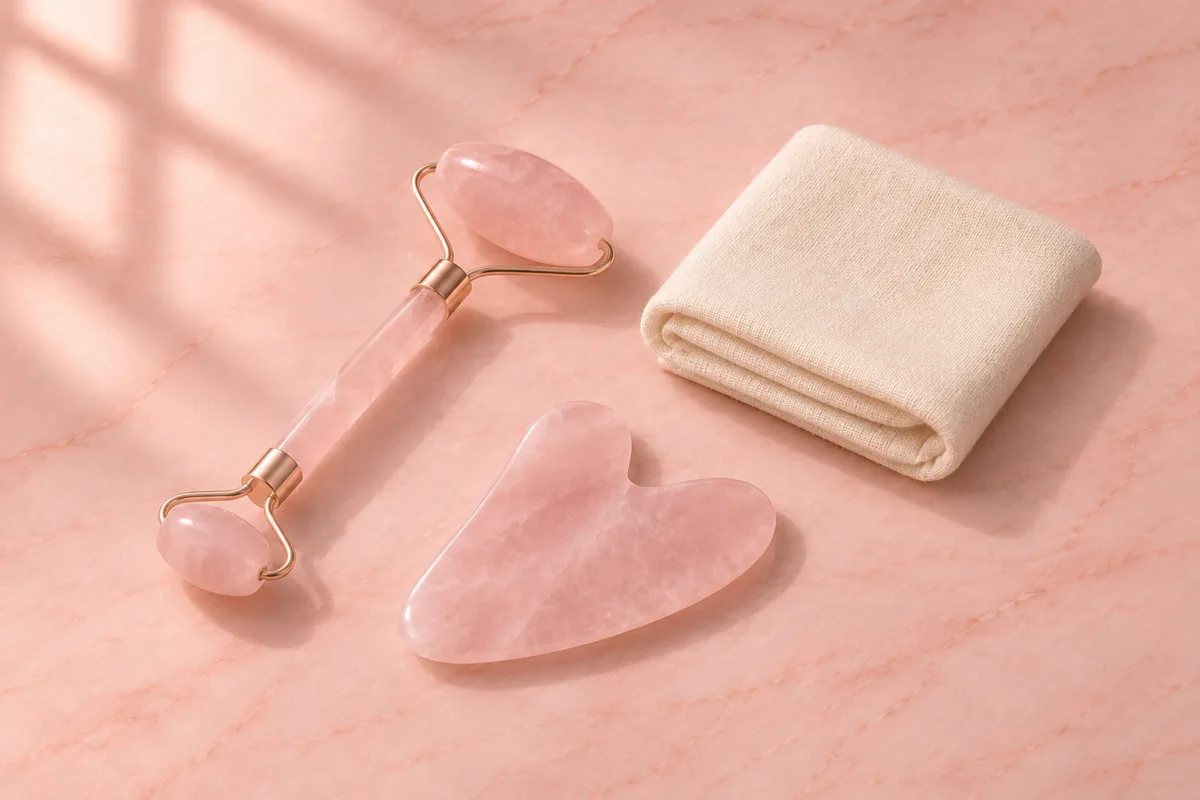
Gentle facial massage may make puffiness look less obvious for a while. Cleveland Clinic describes using light fingertip pressure to help move excess fluid, so there’s no need to buy a roller or a stone to try that approach. If you want to see whether it helps, use light strokes that move the skin without digging into it. A face that looks less puffy after massage may look the same as usual again later that day.
Claims about lifting the jaw or rebuilding collagen ask more of massage. A small randomized study compared gua sha with a facial roller and measured changes in contour and skin properties. Both groups got massage, so there was no untreated group to help establish the effect, and the study didn’t show that either tool lifts jowls over the long term or rebuilds collagen. If a before-and-after photo catches your eye, check whether the lighting, head angle, expression and weight are comparable before crediting the tool.
If you already have a gua sha tool, Cleveland Clinic advises light pressure because pressing hard can bruise facial skin. A few gentle passes should feel comfortable, without scraping back and forth over a stubborn spot. There’s little evidence about gua sha and jaw-joint flares specifically. If pressure at the jaw brings on pain or painful clicking, stop and ask a dentist or clinician who treats temporomandibular disorders before resuming.
Skip gua sha over irritated or broken skin. Stop if a stroke hurts or leaves bruising.
What does better for wrinkles than tape?
For prevention, daily sun protection has much stronger evidence than nightly tape. A randomized trial found daily sunscreen slowed visible skin aging. The American Academy of Dermatology recommends broad-spectrum, water-resistant SPF 30 or higher on exposed skin. Cover the upper chest too if it’s exposed, and use shade or clothing when you can. If you’re spending to prevent sun-related lines, put a basic sunscreen you’ll use regularly at the top of your list.
If you can fall asleep comfortably on your back, that’s a free way to take pillow pressure off the front of your face. There’s limited evidence that changing positions prevents lasting wrinkles, and a study comparing preferred sleep side with where people had more wrinkles found no clear association. Keep the position that lets you sleep well if trying your back keeps you awake.
For fine lines from sun damage that stay visible at rest, a clinician can tell you whether prescription tretinoin is appropriate. The Renova label covers softening fine facial wrinkles alongside sun protection and skincare. Irritation is common, and the price depends on the specific prescription and pharmacy. Our beginner’s guide to prescription tretinoin explains what treatment involves and how long it can take to judge.
If the lines deepen mainly when you frown or lift your eyebrows, ask about Botox Cosmetic. It temporarily reduces activity in the injected muscles. Its FDA label covers moderate to severe frown lines and forehead lines in adults and lists risks such as eyelid or brow droop. Ask for the total per visit and how often you’d need to return if you wanted to maintain the change. Our guide to choosing a qualified Botox injector has questions to bring to that visit.
For an etched line or rough sun-damaged texture, ask a dermatologist about laser resurfacing. The American Society of Plastic Surgeons lists changes in pigmentation and scarring among the risks. Ask about recovery for your skin tone and what the full fee includes. Our laser skin resurfacing guide explains how risks vary by treatment.
When should you skip tape and see a professional?
Book an assessment if the line is deep at rest, or if what bothers you is tissue that hangs below the jaw. Bring a photo taken with your face relaxed in even light and another showing the expression that deepens the line. Ask whether the change you want depends on improving the skin’s surface, reducing muscle activity or addressing lost support. That answer can save you from paying for a treatment that works on the wrong layer.
If a rash persists or spreads after you remove the tape, or you develop blisters, seek medical advice. The American Academy of Dermatology notes that a dermatologist can use patch testing to identify a contact allergy. Bring the tape package or ingredient list to the visit.
FAQ
Can I tape my face every night?
There’s no good evidence that you need to tape every night. If you choose to use an overnight facial patch occasionally, give the skin a break between uses. Soreness during washing or roughness where the patch sat is a reason to pause, even if the line looked smoother.
Does face tape work under the eyes?
An adhesive pad study measured brief smoothing at the outer corners, which tells you little about repeated use on the thin skin directly under the eye. Skip taping around the eyes. If it’s a bag or a shadow you’re seeing each morning, our guide to under-eye bags and dark circles explains the different causes.
Is face tape better than Botox?
For lines driven by brow movement, Botox has better evidence and acts on the muscles involved. If the mark disappears after you get out of bed and comes from pillow pressure, there may be little reason to pay for injections. Ask what the proposed treatment would change with your face at rest.
Can face tape cause wrinkles or damage skin?
Research gives little basis for saying tape causes lasting wrinkles. The clearer risk is injury from the adhesive. Skin stripping or contact dermatitis can leave the area red, dry or rough, which can make fine lines more visible while the skin recovers.
Does gua sha help jowls?
Massage may make a puffy jawline look a little sharper temporarily. For a bulge that’s still there when puffiness subsides, there’s no good evidence that gua sha repositions the tissue or gives a lasting lift.
This guide is general information, not medical advice. See a qualified healthcare professional to assess a skin reaction, jaw pain or a treatment you’re considering.